Homepage

Summary of Findings of Study
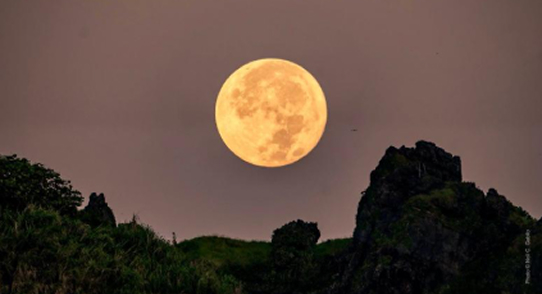
This paper provides an overview of ethnoastronomy traditions in agriculture, fishing, and daily life among the Ivatan community in Batanes. The study also examined how such stories have survived, disappeared, or changed through generations, through progress, through the inevitable restructuring of social relationships. The most salient finding is that unlike other areas in the Philippines where stars are commonly used to influence behavior, the predominant element in Ivatan use of astronomy is the moon.
The explanation provided is that because of the remote geographic location of Batanes, fishing vessels do not venture very far and therefore do not need many celestial components for navigation. As for agriculture, since the planting and harvest of crops is seasonal, the changing moon provides an appropriate timeline for activities, unlike constellations, which are constant. In addition, the inclement weather patterns inBatanes make stars in the night sky a less reliable tool than the more visible moon.
Some Astronomical Beliefs
Agriculture
- Crops: sweet potato, corn
- Planting: full moon up to three days after; low tide; let blood drip on root crops, chant a prayer
- plant cabbage and pechay December to January
- plant ube and tugi in February
- plant melon, broccoli, cauliflower, corn, and dukay March to April
- plant onions and round crops during full moon
- plant cabbage and pechay December to January
- plant beans during half moon
- plant corn after 1st Q moon; if plant with small moon, cobs will have few kernels
- plant sweet potato and ube from 1st Q to full moon
- plant tugi not during full moon
- plant banana during waxing moon
- plant garlic 3 days before or after full moon
- harvest crops during new moon and full moon
- Livestock: pierce nose only during waxing moon
- Cut timber or grass, gather materials for handicrafts during full or new moons
Fishing & Navigation
- Weak current, good for fishing: in between new moon and half moon
- North Star used for navigation if sky is clear
- Big Dipper used as reference for North Star
- Big Dipper rotates but North Star is fixed from sunset to dawn
- Southeast wind bad for fishing on the first day, consecutively becomes better
- Half moon until 4 days: weak current, so deep fishing is advised
- New moon and full moon: strong current, so surface fish/coastal pelagic fish (anchovies, sardines, herring), flying fish
- 1st Q moon stay closer to shore
Other Beliefs
Weather
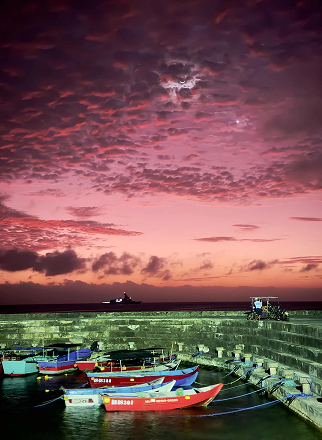
- clouds close to sunset means bad weather; red means strong rain, yellow means strong winds
- full moon with rainbow or ring means strong current, stay close to shore
- molehills/anthill building: rain is coming
- cirrus clouds indicates approaching storm
- dahon ng niyog clouds: strong wind
- if hermit crabs leave the shore, impending storm surge
- if cloud looks like a tree in true North, typhoon or disaster will strike 3-5 days after
Either waxing or waning crescent with star at conjunction/tip
- danger from horned animals or pointed objects
New moon
- build shelves
- make wine
- learn new crafts starting new moon until 1st Q moon so that it is maintained; courtship same
- harvest bamboo during full moon
- slice ube during full moon
Houses
- in building a house, first post should face east; drip blood of any animal
- if someone dies in a house, body should be led out feet first, and if body touches door someone else will die
Death
- Crows at night means someone died in the vicinity
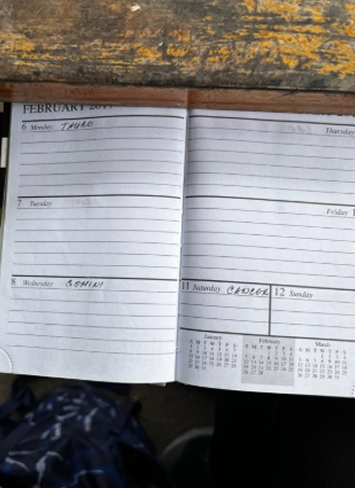
A pilatun is a system, in the form of a diary, that serves as an ecological calendar and community system. It defines auspicious dates of the month and week based on the Zodiac signs, the direction of the wind, and phases of the moon. Activities that are advised by the pilatun include buying and selling, travel, building a house, even romance.
A bad omen that injury or death might occur